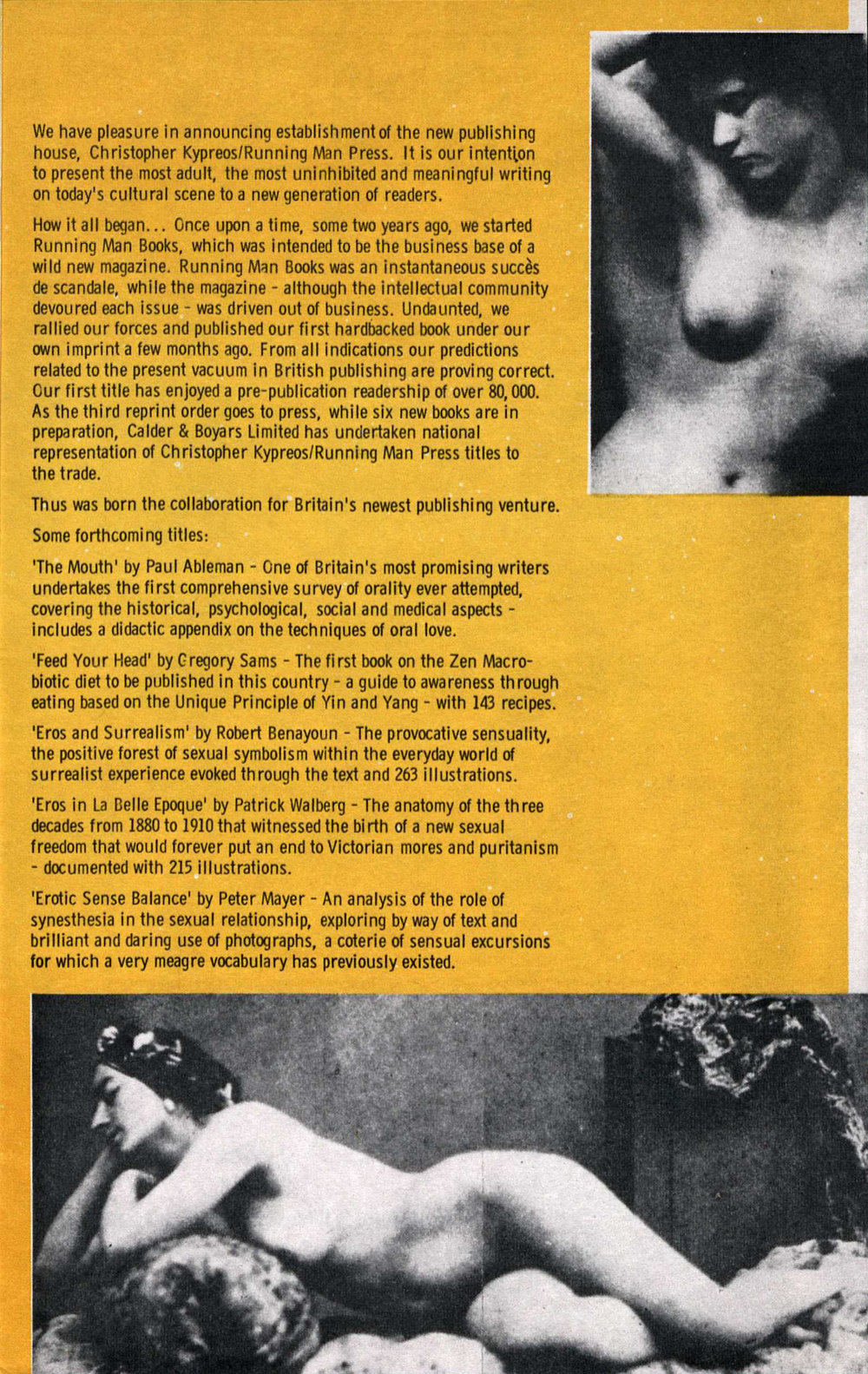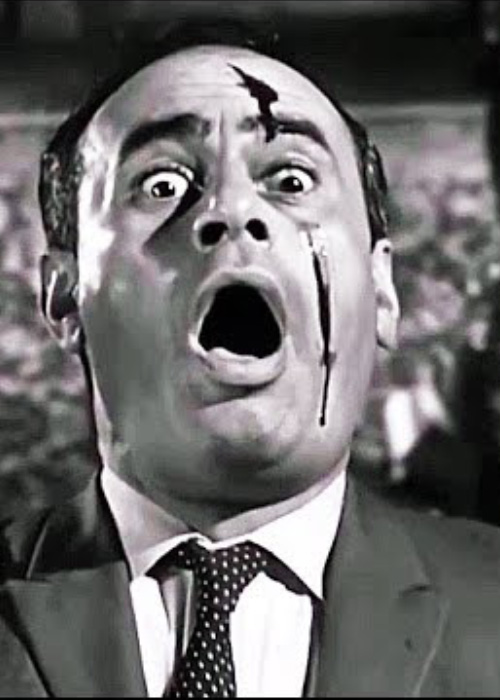
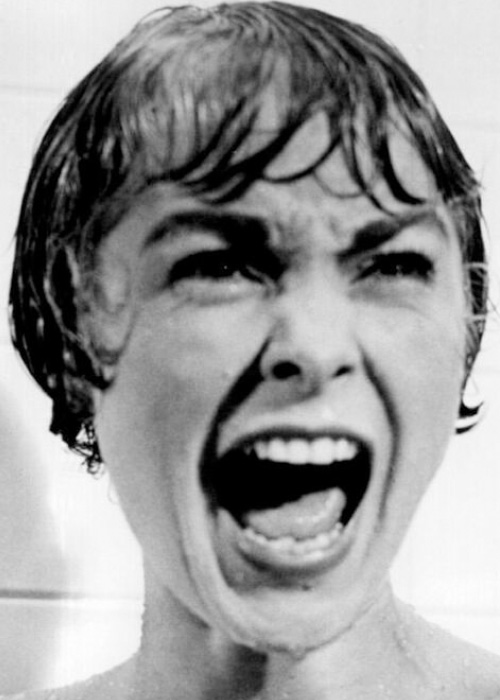
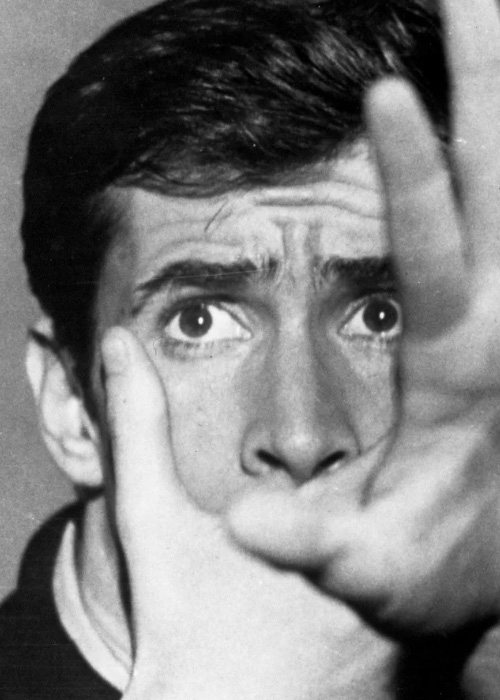
Martin Balsam, Anthony Perkins, Janet Leigh
Human Fears
Psycho is an experiment that explores how audiences, rather than actors, respond when confronted with their deepest fears.
Human beings share common fears. Yet no one truly speaks about them to another. We carry them in silence, bearing them within us for a lifetime. The fear of heights, committing sins, being pursued by the police, darkness, bathing alone at night, and basements.
Now imagine that what frightens you becomes real. What would you do? Would you fight? Would you hide? Or, when all hope of victory is gone, would you run? It is precisely here that Alfred Hitchcock, in Psycho, draws upon, perhaps even exploits, this shared human instinct: escape.
Hitchcock understands that when people are placed in a state of fear, they tend to move forward, to rush toward resolution. They want to escape uncertainty as quickly as possible, to reach a conclusion, and to settle into a position that feels safer and more predictable. And how many of these conclusions, throughout the film, fail to disappoint them, almost until the very end. Perhaps that is why Hitchcock referred to Psycho as a “film of the audience.”
The story begins on a winter afternoon in Phoenix, Arizona. In a hotel room, Marion Crane, the film’s apparent protagonist, meets her lover Sam during her lunch break. Through their conversation, we learn that they need money to be together. Minutes later, a solution appears. Just before the weekend begins, at the very last moments before the banks close, Marion’s employer entrusts her with $40,000 in cash to deposit. Neither Marion nor the money ever reaches the bank.
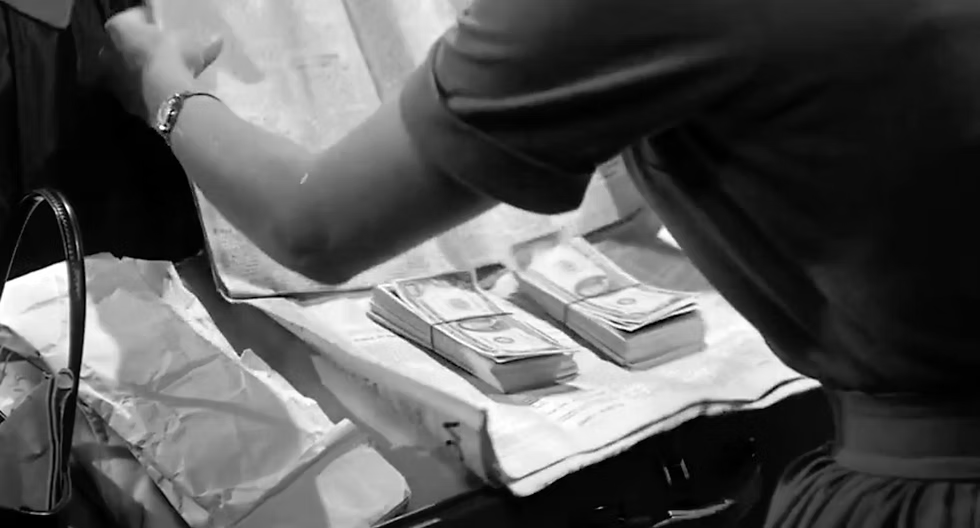
The next scene unfolds in Marion’s apartment. The envelope of cash lies on her bed instead of in the bank. Before we can fully grasp what is happening, Bernard Herrmann's extraordinary score pulls us into a new dimension of the film. The open suitcase further confirms our suspicion: Marion is fleeing the city with the money.
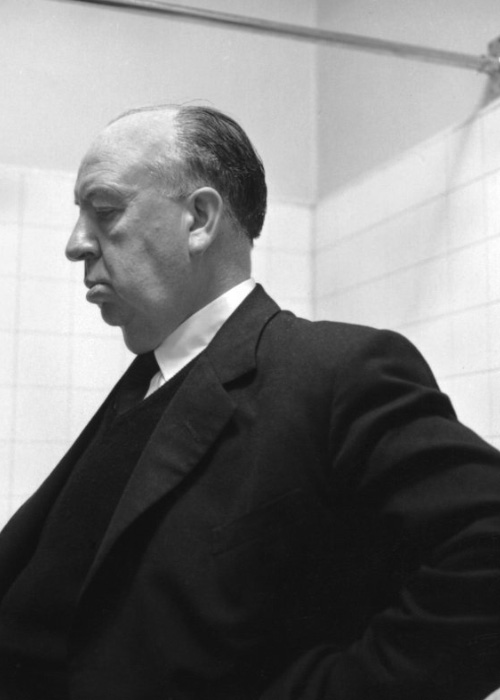
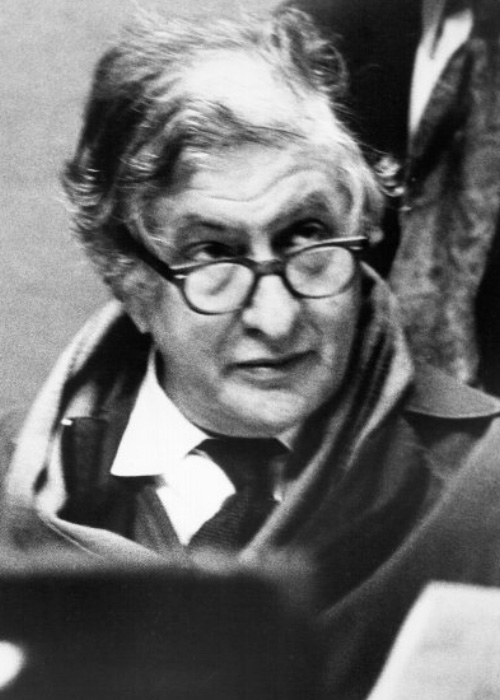
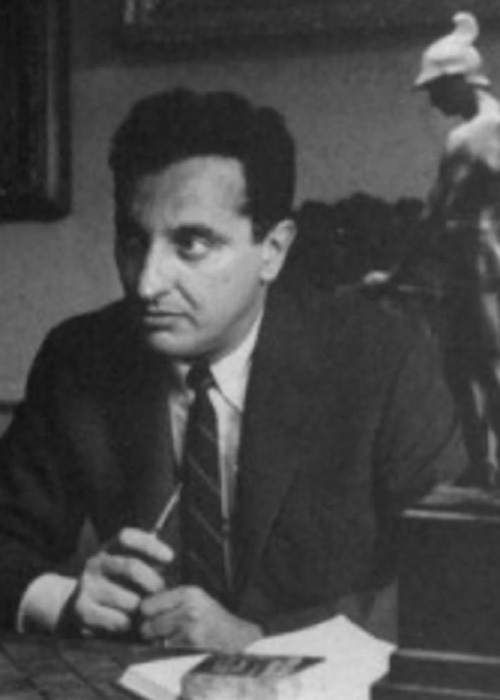
Martin Balsam, Anthony Perkins, Janet Leigh
Curiously, we never witness the moment she decides to steal it. The film offers no explicit explanation, not even a superficial one. And yet, we accept it without resistance. Perhaps because, as human beings, we understand how even a good person, someone like Marion, driven by love and desperation, can arrive at such a decision. Or perhaps because the act of theft is not what truly matters.
At first, we believe we are watching a romantic drama. Nothing suggests the imminent arrival of catastrophe. Not even the title of the film, nor the audience’s expectation of a “thriller,” prepares us for what is to come. Then suddenly, the protagonist commits a crime, she runs away with stolen money. This is the moment the audience begins to speculate. Whispers ripple through the darkened theatre. Predictions emerge. Interpretations multiply. This is exactly what Hitchcock has been waiting for. But let us return to the story.
At first, we believe we are watching a romantic drama. Nothing suggests the imminent arrival of catastrophe. Not even the title of the film, nor the audience’s expectation of a “thriller,” prepares us for what is to come. Then suddenly, the protagonist commits a crime, she runs away with stolen money. This is the moment the audience begins to speculate. Whispers ripple through the darkened theatre. Predictions emerge. Interpretations multiply. This is exactly what Hitchcock has been waiting for. But let us return to the story.
Curiously, we never witness the moment she decides to steal it. The film offers no explicit explanation, not even a superficial one. And yet, we accept it without resistance. Perhaps because, as human beings, we understand how even a good person, someone like Marion, driven by love and desperation, can arrive at such a decision. Or perhaps because the act of theft is not what truly matters.
At first, we believe we are watching a romantic drama. Nothing suggests the imminent arrival of catastrophe. Not even the title of the film, nor the audience’s expectation of a “thriller,” prepares us for what is to come. Then suddenly, the protagonist commits a crime, she runs away with stolen money. This is the moment the audience begins to speculate. Whispers ripple through the darkened theatre. Predictions emerge. Interpretations multiply. This is exactly what Hitchcock has been waiting for. But let us return to the story.
Human beings share common fears. Yet no one truly speaks about them to another. We carry them in silence, bearing them within us for a lifetime. The fear of heights, committing sins, being pursued by the police, darkness, bathing alone at night, and basements.
Now imagine that what frightens you becomes real. What would you do? Would you fight? Would you hide? Or, when all hope of victory is gone, would you run? It is precisely here that Alfred Hitchcock, in Psycho, draws upon, perhaps even exploits, this shared human instinct: escape.
Hitchcock understands that when people are placed in a state of fear, they tend to move forward, to rush toward resolution. They want to escape uncertainty as quickly as possible, to reach a conclusion, and to settle into a position that feels safer and more predictable. And how many of these conclusions, throughout the film, fail to disappoint them, almost until the very end. Perhaps that is why Hitchcock referred to Psycho as a “film of the audience.”
The story begins on a winter afternoon in Phoenix, Arizona. In a hotel room, Marion Crane, the film’s apparent protagonist, meets her lover Sam during her lunch break. Through their conversation, we learn that they need money to be together. Minutes later, a solution appears. Just before the weekend begins, at the very last moments before the banks close, Marion’s employer entrusts her with $40,000 in cash to deposit. Neither Marion nor the money ever reaches the bank.
The next scene unfolds in Marion’s apartment. The envelope of cash lies on her bed instead of in the bank. Before we can fully grasp what is happening, Bernard Herrmann's extraordinary score pulls us into a new dimension of the film. The open suitcase further confirms our suspicion: Marion is fleeing the city with the money.
Martin Balsam, Anthony Perkins, Janet Leigh