Skip to content
Menu
Zed Republic
Fashion
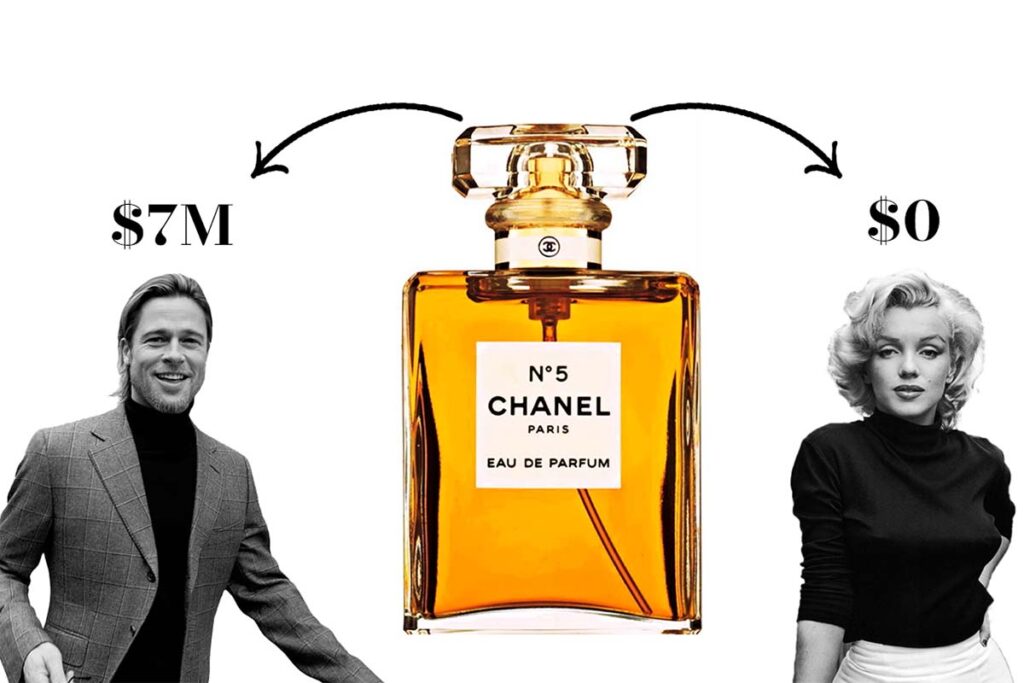
Chanel N°5: The $7 Million Mistake Marilyn Monroe Fixed for Free
---> Read Now
Film
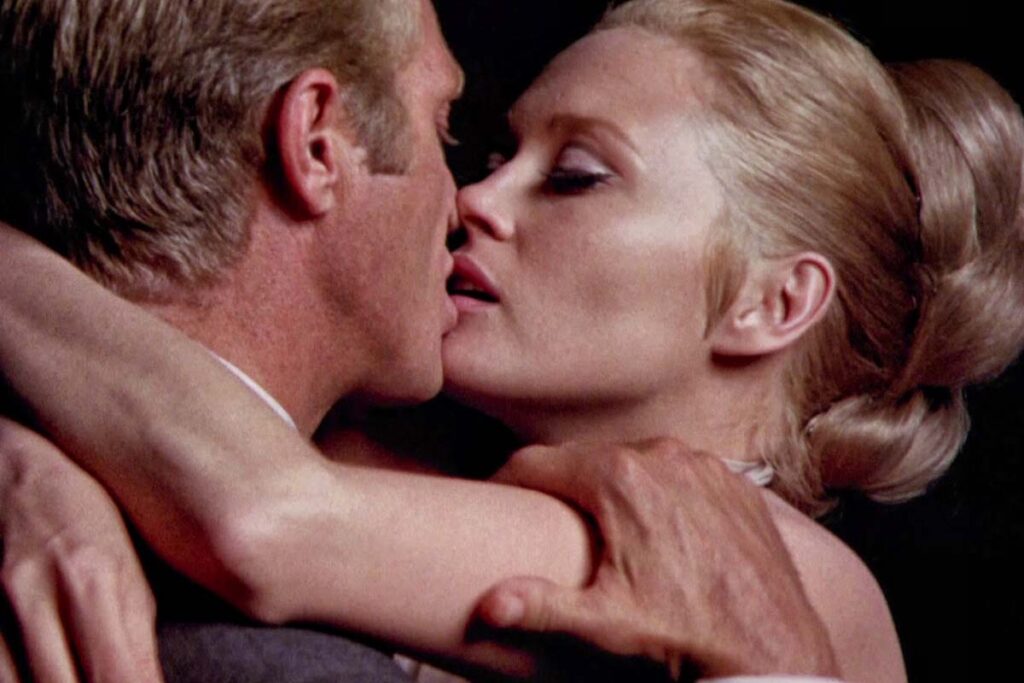
The Thomas Crown Affair (1968): More Than a Heist
---> Read Now
Film
In the Heat of the Night (1967): The Power of Politeness
Film
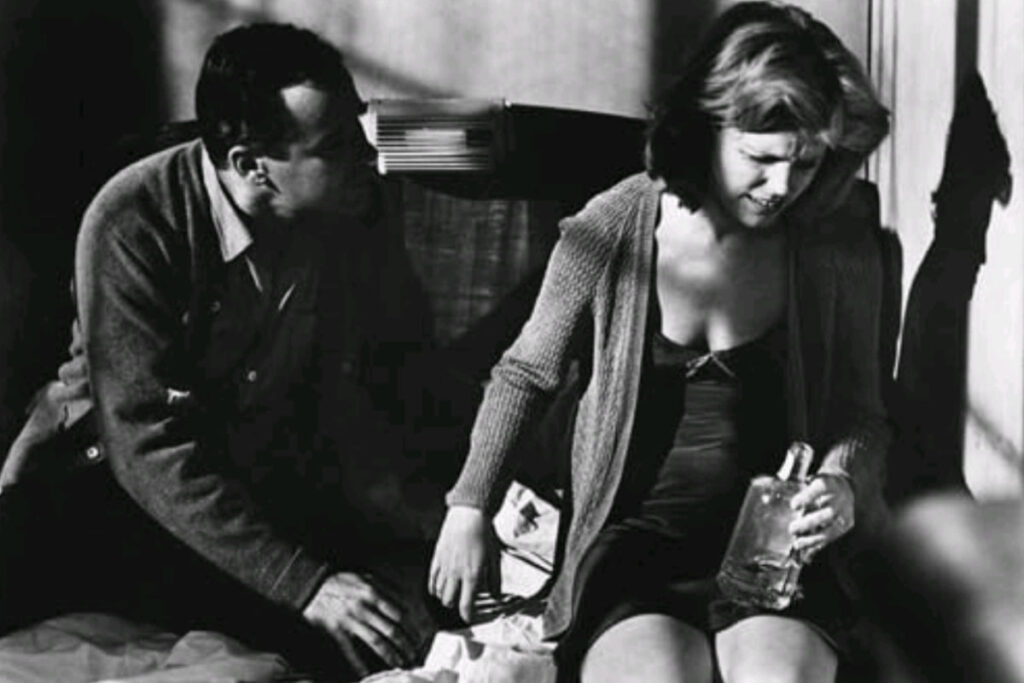
Days of Wine and Roses (1962): Pouring Love, Poison, and Tears
---> Read Now
Art
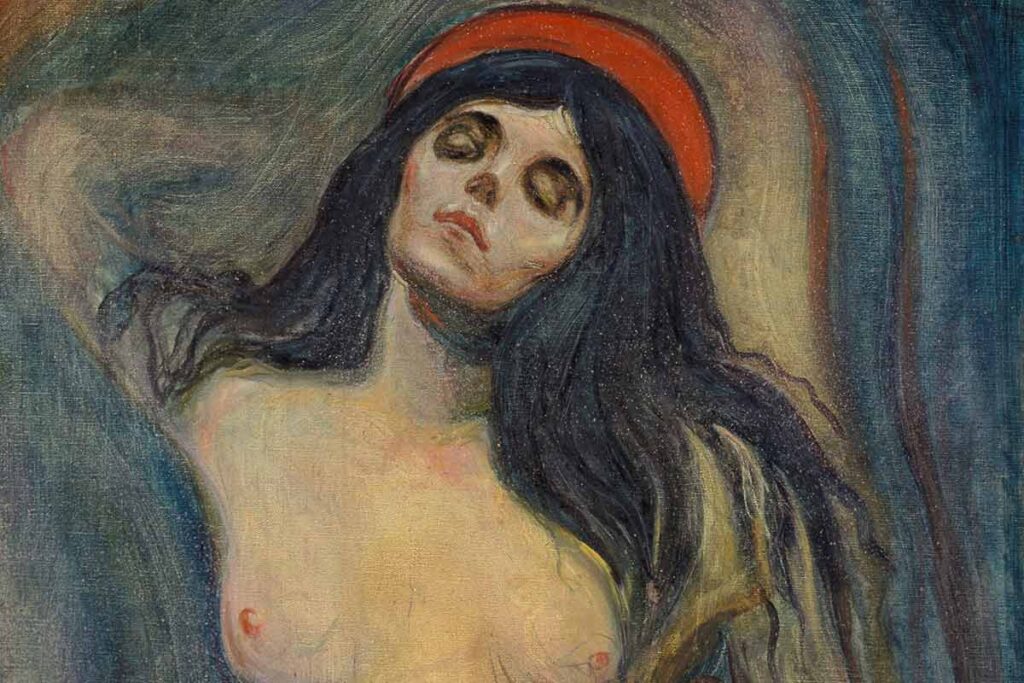
The False Chain: Pleasure, Danger, and Death in Edvard Munch’s Madonna
---> Read Now
Film
Tonino Guerra: Tracing the Screenwriter in a Great Trilogy
Art
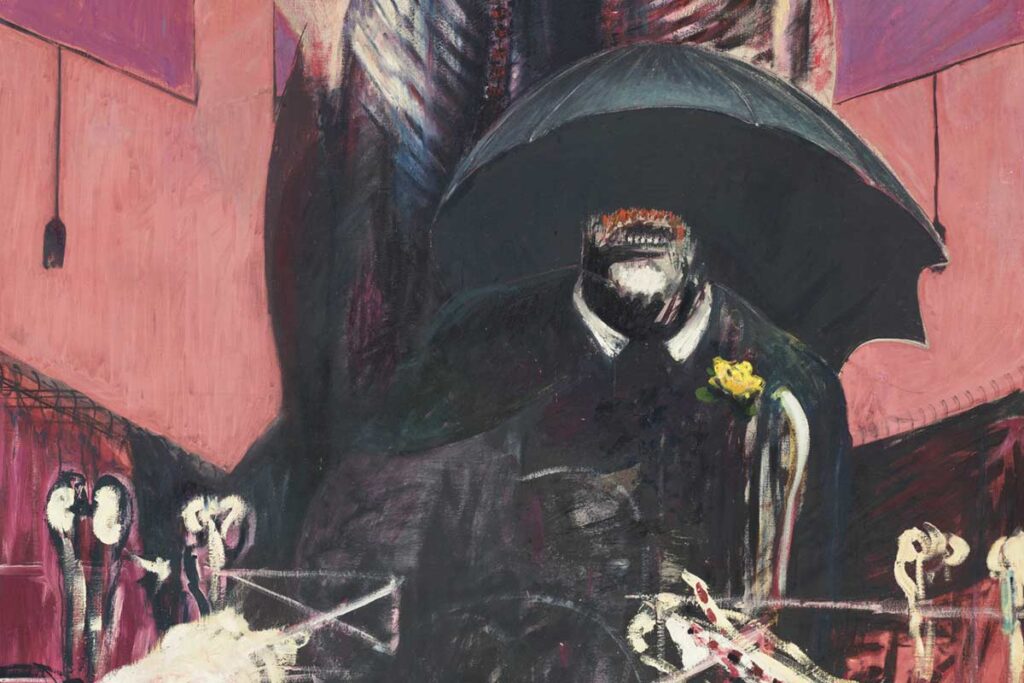
Painting 1946: Francis Bacon and the Architecture of Guilt
---> Read Now
Film
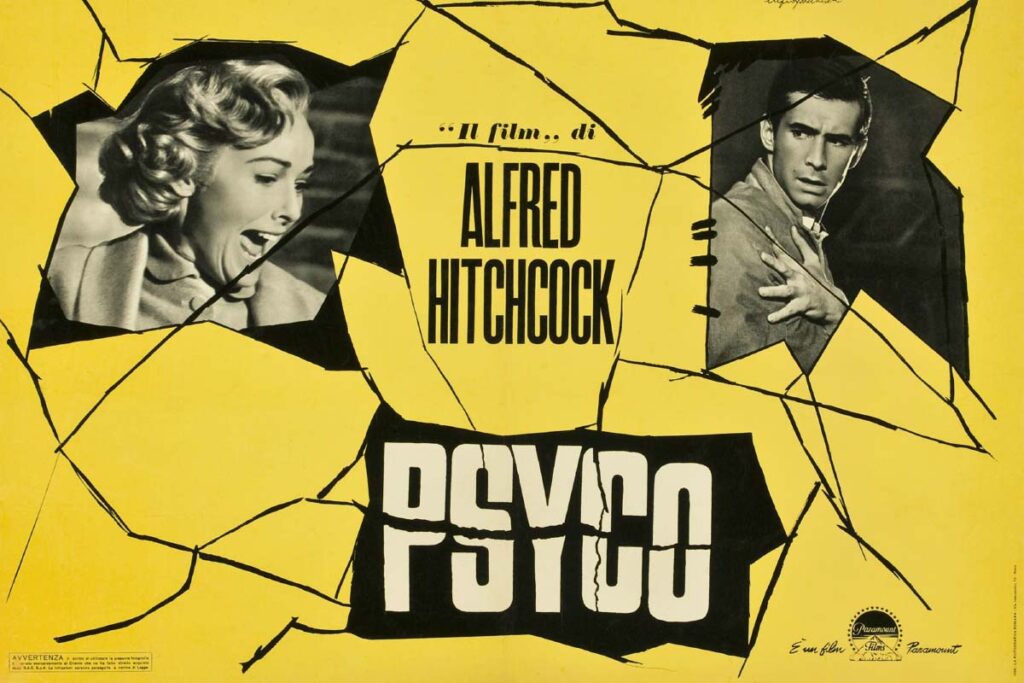
Psycho 1960: A Manifesto to All Human Fears
---> Read Now
Art
A World Made of Exploding Light, Glass, Ice, and Pearl
Art
Culture
Fashion
Film
Design
Art
Culture
Fashion
Film
Design